No, you're never too old for braces. There's no upper age limit for smile treatment. Your teeth can be moved at any age as long as your gums and supporting bone are healthy. Adults in their 40s, 50s, 60s, and beyond successfully straighten their teeth every day.
Are You Ever Too Old for Braces?
If you've been wondering whether it's "too late" to fix that crowded smile or correct a bite that's bothered you for years, the answer is simple: you are not too old for braces. Modern smile treatment options make the experience more comfortable and discreet than ever before. Invisalign, ceramic braces, and even lingual braces (placed behind your teeth) give you choices that fit your lifestyle and preferences.
Plenty of patients come in feeling self-conscious about starting treatment later in life, only to find that adults make up a large share of orthodontic patients today. You're far from alone, and the results can be life-changing at any stage.
How Adult Smile Treatment Works After 40
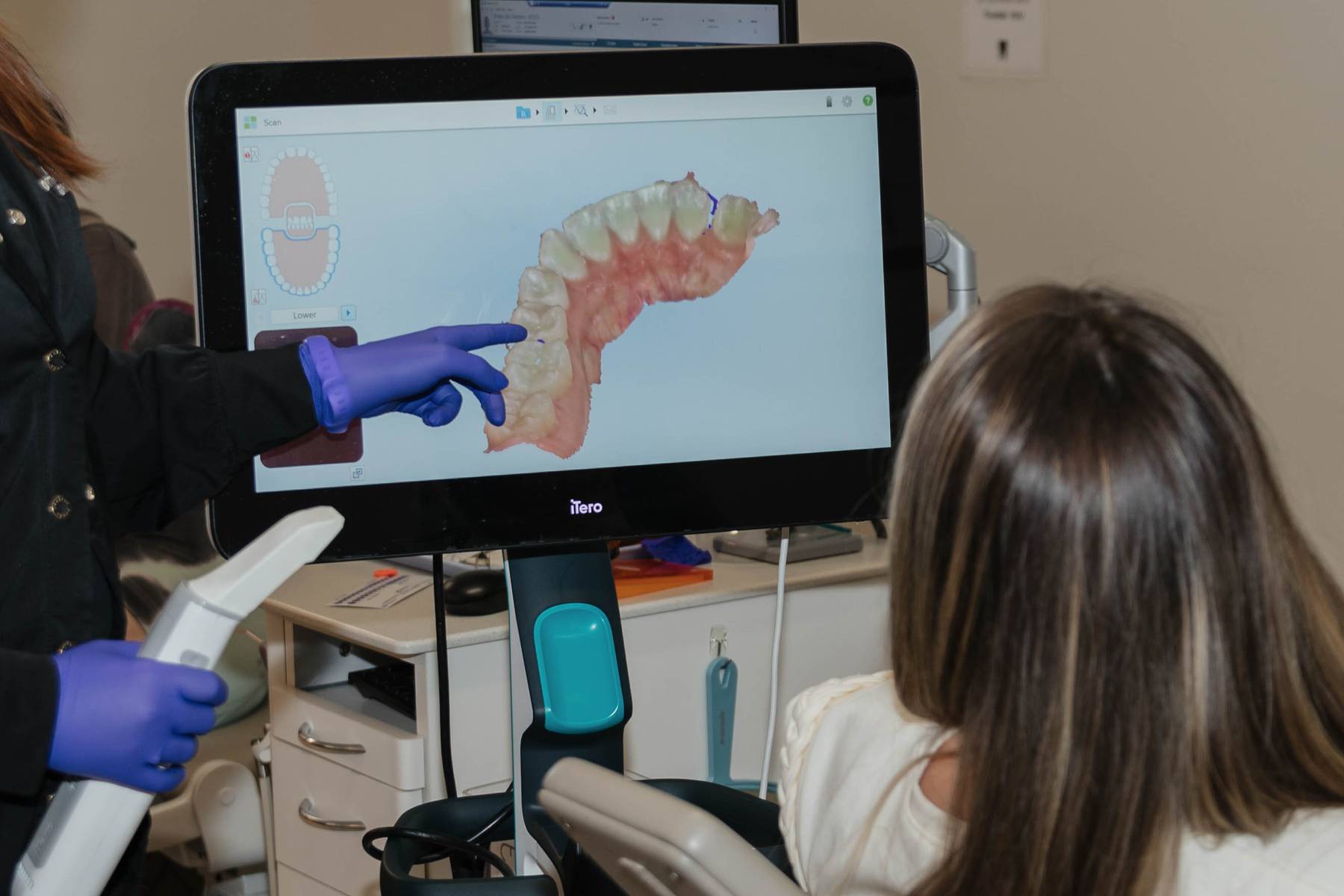
Treatment starts with a thorough free consult. At Lucas Orthodontic Group, our board-certified orthodontists use digital scans and X-rays to evaluate your teeth, bite, and jaw alignment. This technology eliminates the goop and discomfort of older impression methods while creating a precise picture of your smile. We see patients every week who are starting treatment in their 40s and 50s.
Adult treatment planning differs from teen treatment in one key way: we account for your existing dental work. Crowns, bridges, veneers, and even implants don't disqualify you from braces or Invisalign. They simply require a custom plan.
Here's what to expect from the process:
- Full evaluation of your teeth, gums, and bone structure
- Coordination with your dentist if gum treatment or other dental work is needed first
- Custom treatment plan designed around your specific goals
- Regular progress visits every 4-8 weeks to monitor movement
- Retainer phase to maintain your results long-term
Treatment typically takes 12-24 months, depending on the complexity of your case. Adult bone is denser than a teenager's, which can mean slightly slower tooth movement. But this isn't a drawback. It often means more predictable, controlled results.
According to the American Association of Orthodontists, a significant share of orthodontic patients today are adults. You're in good company.
Benefits of Getting Braces in Your 40s or 50s
Straightening your teeth after 40 delivers real health benefits, not just cosmetic ones. The advantages are significant and lasting, and they show up in ways many adults don't expect when they first walk into our practice in Middle Tennessee.
How Does Alignment Improve Daily Oral Hygiene?
Crowded or overlapping teeth create tight spaces where plaque hides. When your teeth are properly aligned, brushing and flossing work the way they're supposed to. This reduces your risk of cavities and gum disease, both of which become more common as we age. Patients often tell us their hygienist visits get easier and faster after treatment because there's simply less to fight against.
Can Braces Relieve Jaw Pain and Headaches?
A misaligned bite puts uneven pressure on your jaw joints. Many adults experience TMJ discomfort, headaches, or worn-down teeth without realizing their bite is the cause. Smile treatment can address the root issue rather than masking the symptoms with night guards or medication.
Will Treatment Protect Against Future Dental Issues?
Teeth continue shifting throughout your life. Crowding that seems minor at 45 can worsen by 55, leading to chips, cracks, and accelerated wear. Treating alignment issues now prevents bigger issues later, and it can also reduce the chance of needing extensive restorative work down the road.
What If I Had Braces as a Teenager?
Did you have braces as a teenager but stopped wearing your retainer? You're not alone. Many adults seek treatment to fix teeth that shifted back over the years. A second round of treatment is often shorter than the first because we're refining rather than starting from scratch.
How Does a Straighter Smile Affect Confidence?
A smile you're proud of changes how you present yourself. Whether you're leading meetings, attending events, or simply taking photos with family, feeling good about your teeth matters. Patients regularly tell us they wish they'd started sooner once they see their final results.
What's the Difference Between Adult and Teen Braces?
| Factor | Teen Treatment | Adult Treatment |
|---|---|---|
| Jaw growth | Active growth aids correction | Relies on tooth movement only |
| Bone density | Less dense, faster movement | Denser bone, slightly slower |
| Treatment options | All types suitable | Often prefer discreet options |
| Compliance | Variable | Typically excellent |
| Pre-treatment needs | Usually minimal | May need gum or dental work first |
| Existing restorations | Rare | Common (crowns, bridges, implants) |
Many adults choose Invisalign or clear ceramic brackets because they're less noticeable. These options work just as effectively as traditional metal braces for most cases, which makes the decision more about lifestyle than results.
One real advantage adults have: compliance. Teenagers sometimes struggle with rubber band wear or aligner schedules. Adults understand the investment they're making and tend to follow instructions carefully. This often leads to smoother treatment and predictable results.
The main difference comes down to biology. Teens benefit from active jaw growth, which allows orthodontists to guide bone development. Working with fully developed jaws means treatment focuses entirely on moving teeth within existing bone structure. This isn't a limitation. It just means your orthodontist plans differently.
What Does Smile Treatment Cost for Adults in Their 40s or 50s?
Adult smile treatment typically costs between $3,000 and $10,000. The exact figure depends on the type of appliance you choose, the complexity of your case, and how long treatment takes. Metal braces sit on the lower end of that range, while lingual braces tend to land at the top. Invisalign and ceramic braces usually fall somewhere in the middle.
| Treatment Type | Typical Range | Best For |
|---|---|---|
| Metal braces | $3,000 - $7,000 | Complex cases, budget-conscious patients |
| Ceramic braces | $4,000 - $8,000 | Patients wanting less visible brackets |
| Invisalign | $4,000 - $8,000 | Mild to moderate cases, lifestyle flexibility |
| Lingual braces | $8,000 - $10,000 | Patients wanting completely hidden treatment |
Factors that affect your cost:
- Length of treatment
- Complexity of your case
- Type of appliance you choose
- Whether pre-treatment dental work is needed
Lucas Orthodontic Group offers low monthly payment that makes treatment fit a real-world budget. Our payment calculators help you see the numbers before you commit, with no surprises later. HSA and FSA accounts can also be used for smile treatment, which is a nice tax advantage many patients overlook.
Some dental insurance plans include adult orthodontic benefits, often covering a portion of treatment up to a lifetime maximum. Check your specific plan to see what applies.
Are You a Good Candidate for Braces in Your 40s or 50s?
Yes, most adults in their 40s and 50s qualify for braces. The primary requirements for adult smile treatment are healthy gums and adequate bone support, not a specific age. You're never too old for braces if your mouth is healthy enough to support tooth movement. Our board-certified orthodontists at Lucas Orthodontic Group evaluate your specific situation during a free consult and let you know exactly where you stand.
You're likely a good candidate if:
- Your gums are healthy or any gum disease is under control
- You have enough bone structure to support tooth movement
- You're committed to good oral hygiene throughout treatment
- You'll wear retainers as directed after treatment ends
- You have realistic expectations about treatment time and results
You may need preliminary treatment if:
- Active gum disease is present (this must be treated first)
- Significant bone loss has occurred
- Dental work like fillings or crowns needs updating
Existing dental restorations don't disqualify you. Crowns and bridges can be worked around, and in some cases, smile treatment actually improves the foundation for future dental work.
A free consult is the best way to find out what's possible for your smile. Our team in Middle Tennessee evaluates your specific situation and creates a plan that fits your goals.
Frequently Asked Questions About Adult Braces
Do braces work the same way for adults as for teens?
The mechanics are identical. Braces apply gentle, consistent pressure to move teeth into better positions. The main difference is that adult bone is denser, so movement may happen slightly more gradually. Results are equally effective.
How long do adults typically wear braces?
Most adult treatments take 12-24 months. Mild cases may finish sooner, while complex bite corrections can take longer. The Lucas Orthodontic Group team provides a timeline estimate during your free consult based on your specific needs.
Will braces damage my existing dental work?
Brackets can be bonded to crowns and veneers using specialized techniques without harming the restoration. Implants don't move like natural teeth, but surrounding teeth can be aligned around them. Your treatment plan accounts for all existing restorations from day one.
Should adults choose Invisalign or traditional braces?
Both work well for adult patients. Invisalign offers convenience and discretion, since you can remove aligners for eating and important events. Traditional braces may be recommended for more complex cases. Many adults are candidates for either option, and our board-certified orthodontists in Middle Tennessee walk you through the trade-offs.
Does insurance cover adult smile treatment?
Coverage varies widely from plan to plan. Some dental insurance includes adult orthodontic benefits and covers a percentage of treatment up to a lifetime maximum. Check with your insurance provider for your specific benefits, and our team can help you understand what your plan covers.
Will my teeth shift back after treatment ends?
Teeth naturally want to return to their original positions, especially in the first year after treatment ends. Wearing your retainer as directed prevents this. Most adults wear retainers nightly at first, then transition to a few nights per week for long-term maintenance.
If you'd like to learn more about what smile treatment could look like for you, Lucas Orthodontic Group offers free consults in a pressure-free environment at our Middle Tennessee practice. Whether you're considering Invisalign or exploring braces for the first time, our team is happy to walk you through your options and answer any questions, with no obligation to move forward.
You can request a free consult whenever you're ready to learn more about straightening your teeth and what it could mean for your confidence and your health.