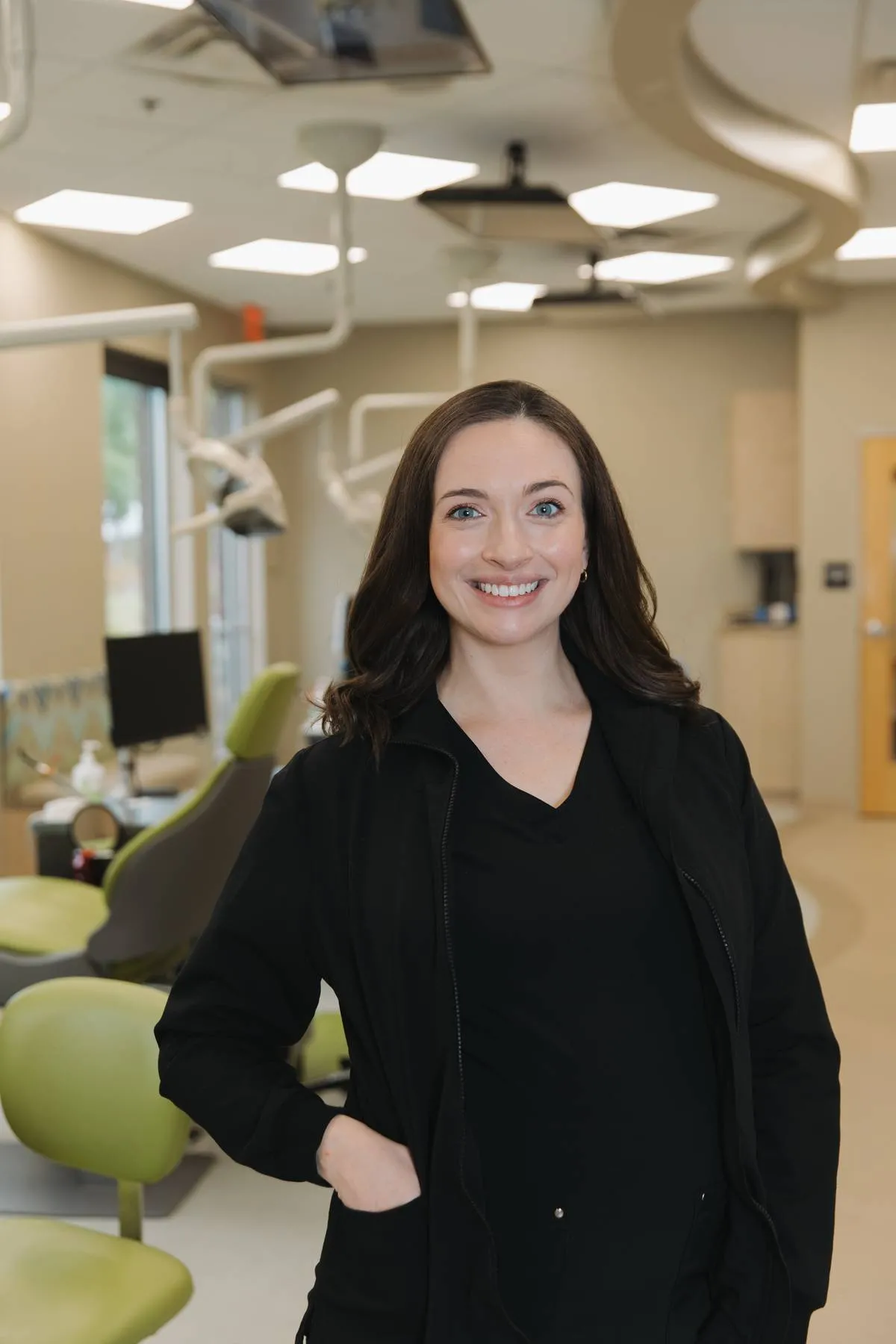
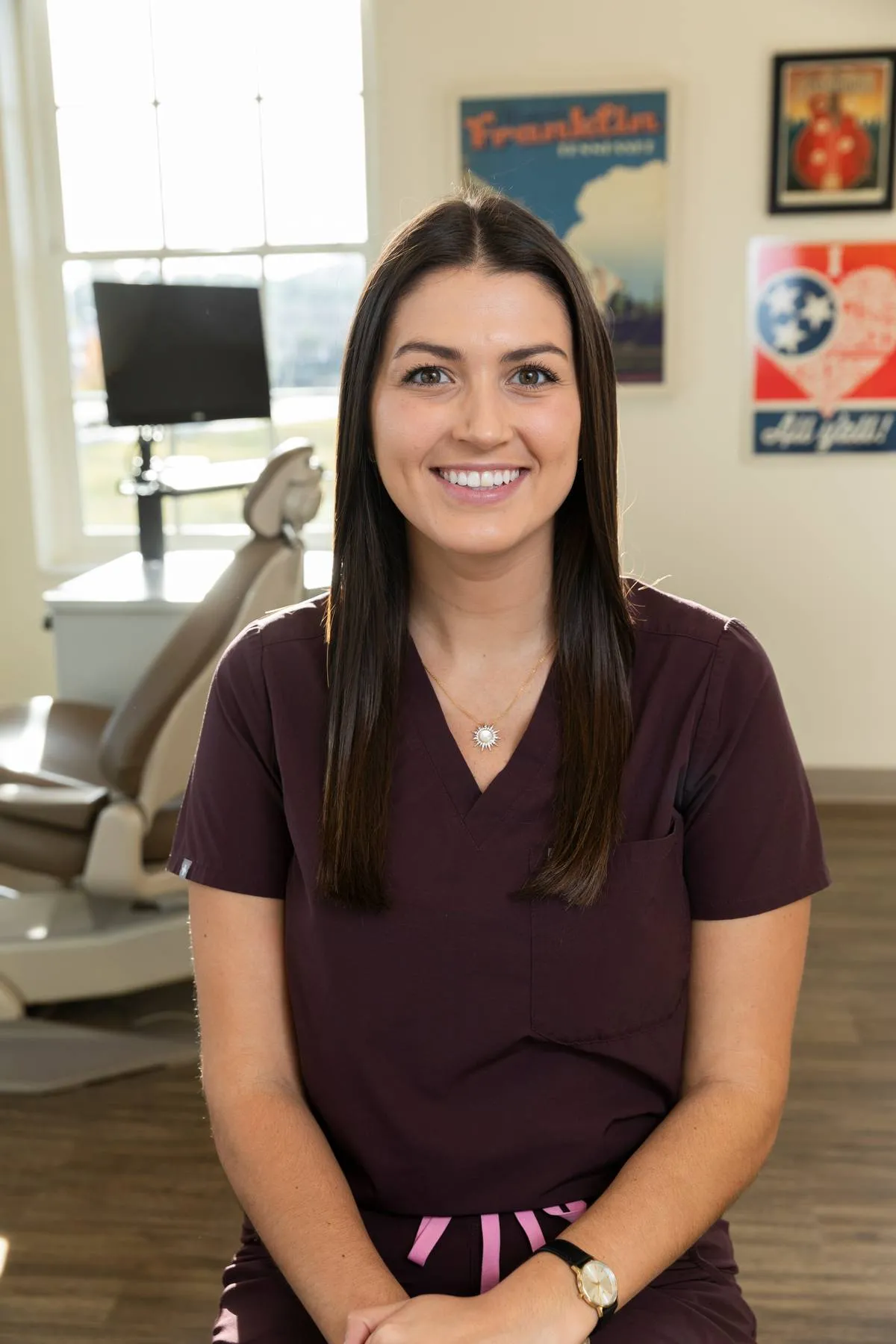
Bring your smile to life in three simple steps! After you request a free consultation, our expert team will guide you through treatment plans customized just for you.
We’ve been serving the community for more than 20 years and we’re Middle Tennessee’s No. 1 Invisalign provider. As a locally-owned practice, we’re known for our friendly, pressure-free approach and fair pricing, all while creating a fun, positive atmosphere for our patients.

Whether you choose braces, Invisalign, or our range of other treatments like retainers, we’re here to help you achieve the beautiful smile you’ve always wanted.
Braces
Our braces offer a reliable and effective way to straighten teeth, with modern options that are comfortable, durable, and suited to patients of all ages.
Invisalign provides a clear, comfortable, and nearly invisible way to straighten your teeth, offering a flexible and discreet alternative to traditional braces.
tooth, jaw, malocclusion, orthodontics, dental braces, align technology, retainer, patient, therapy, tooth decay, gums, oral hygiene, american association of orthodontists, periodontal disease, wire, mouth, dental degree, disease, clear aligners, arch, orthodontic headgear, orthognathic surgery, american board of orthodontics, palatal expansion, pain, board certification, invisible aligners, best invisible braces, straighten teeth, surgery, metal, incisor, palate, molar, exam, risk, bracket, injury, overjet, crossbite, permanent teeth, temporomandibular joint, chewing, hygiene, angle, lip, gingivitis, dentition, dental extraction, cleveland clinic, mouth breathing, invisalign cost, invisible braces, braces cost, invisalign price, invisalign braces, braces for teeth, retainers for teeth, braces, retainers, clear braces, adult braces, lingual braces, invisalign retainer, clear retainers, accessibility, appointment request, patients call, middle tennessee, confidence, orthodontist nashville tn, nashville orthodontist, orthodontic, lucas orthodontics, beautiful smiles, metal braces, orthodontic treatment, dental, dr lucas orthodontist, dr lucas ortho, lucas orthodontist, lucas orthodontic group
Frequently Asked Questions
Are dentists obligated to screen for orthodontics?
Dentists are not obligated to screen for orthodontics, but they may refer patients to orthodontists for evaluation and treatment if they notice issues. Orthodontists specialize in correcting misalignments and malocclusions, providing more comprehensive orthodontic care than general dentists.
Are extractions okay for orthodontics?
Extractions are sometimes necessary in orthodontic treatment to create space for proper alignment. Your orthodontist will assess your specific needs to determine if extractions are appropriate for your case. Trust their expertise to ensure the best outcome for your smile.
Are aligners considered orthodontics?
Yes, aligners, such as Invisalign, are a form of orthodontic treatment. They are clear, removable trays that gradually move teeth into alignment, making them a popular choice for those seeking orthodontic care without traditional braces.
Are braces considered orthodontics?
Yes, braces are a common orthodontic treatment used to straighten teeth and correct bite issues. Orthodontics is the branch of dentistry that focuses on aligning teeth and jaws to improve oral health and aesthetics. Braces fall under this category of orthodontic treatments.
Are initial orthodontic consultations covered by insurance?
Initial orthodontic consultations may or may not be covered by insurance, depending on your specific plan. It's essential to check with your insurance provider beforehand to understand what services are included in your coverage. Some insurance plans may cover a portion or all of the consultation fees, while others may require out-of-pocket payment.
Are braces considered an orthodontic appliance?
Yes, braces are a common orthodontic appliance used to straighten teeth and correct bite issues. They consist of brackets, wires, and bands that work together to gradually move teeth into the desired position. Braces are a traditional yet effective treatment option in orthodontics.
Are crowns used to make front teeth look even after orthodontics?
Yes, crowns can be used to make front teeth look even after orthodontic treatment. They are often utilized to improve the shape, size, and appearance of teeth, especially in cases where orthodontics alone may not achieve the desired aesthetic outcome. Crowns can provide a natural-looking solution for creating a harmonious smile.
Are dental splints covered under orthodontics?
Dental splints are not typically covered under orthodontic treatment. Splints are more commonly associated with temporomandibular joint (TMJ) disorders or bruxism (teeth grinding) and may fall under general dental or medical insurance coverage, depending on the specific circumstances. It's essential to check with your insurance provider for coverage details.
Are braces classed as orthodontic services?
Yes, braces are classified as orthodontic services. They are a common treatment provided by orthodontists to align and straighten teeth for patients of all ages, offering various types of braces to suit individual needs and preferences.
Are cavity fillings covered by orthodontal insurance?
Cavity fillings are typically not covered by orthodontic insurance as they are considered general dental procedures. Orthodontic insurance usually focuses on coverage for orthodontic treatments like braces or Invisalign. Patients may need to check their dental insurance policy for specific coverage details regarding cavity fillings.
Are braces considered orthodontic?
Yes, braces are a common orthodontic treatment used to straighten teeth and correct bite issues. They are a key component of orthodontic care, along with other treatments like Invisalign, retainers, and airway management. Braces are effective for patients of all ages, providing a reliable way to achieve a beautiful smile.
Are first or second premolars extracted typically for orthodontics?
First or second premolars are commonly extracted in orthodontics to create space for proper alignment of the remaining teeth. This extraction helps address overcrowding issues and achieve optimal results in orthodontic treatment.
Are dental implants considered orthodontic?
Dental implants are not considered orthodontic treatment. Orthodontics focuses on aligning teeth and jaws using braces or Invisalign, while dental implants are used to replace missing teeth surgically. Both are essential for oral health but serve different purposes in dental care.
Are clear orthodontic elastics stronger than regular rubber bands?
Clear orthodontic elastics are typically the same strength as regular rubber bands. The primary difference is their appearance, with clear elastics being less noticeable on the teeth compared to traditional rubber bands. Both types serve the same function in orthodontic treatment.
Are implants covered under orthodontics with Delta Dental?
Implants are typically not covered under orthodontic treatment with Delta Dental. Orthodontic coverage usually includes braces and Invisalign for teeth alignment, while implants are considered a separate dental procedure for tooth replacement. It's essential to check your specific plan for coverage details.
Are dental implants considered orthodontics?
Dental implants are not considered orthodontics. Orthodontics focuses on straightening teeth and aligning the bite using braces or clear aligners like Invisalign. Dental implants, on the other hand, are surgical components placed in the jawbone to support dental prosthetics like crowns, bridges, or dentures.
Are braces orthodontics?
Yes, braces are a common orthodontic treatment used to straighten teeth and correct bite issues. Orthodontics is the branch of dentistry that focuses on aligning teeth and jaws for optimal oral health and aesthetics. Braces fall under this category of orthodontic treatments.
How do orthodontic retainers maintain alignment?
Orthodontic retainers maintain alignment by holding teeth in their corrected position after braces or Invisalign treatment. They prevent teeth from shifting back to their original placement, ensuring long-term alignment and stability. Retainers are custom-made for each patient to fit comfortably and effectively maintain the new smile.
What age should orthodontic treatment begin?
Orthodontic treatment typically begins between the ages of 9 and 14, during the adolescent growth spurt when the teeth are more responsive to straightening. However, the exact age can vary depending on individual needs and development. Early evaluation by an orthodontist can determine the best time to start treatment.
Can orthodontics correct bite irregularities?
Yes, orthodontics can correct bite irregularities through treatments like braces, Invisalign, and other specialized options. These methods help align the teeth and jaws, improving the overall bite function and alignment for a healthier smile.
Do orthodontic treatments vary by age?
Orthodontic treatments can vary by age, with options like braces tailored for kids, teens, and adults. Invisalign is available for all age groups, providing a discreet alternative. Additional treatments such as airway management and retainers cater to specific age-related needs.
How do orthodontic consultations assess needs?
Orthodontic consultations assess needs by evaluating the patient's dental alignment, discussing treatment options like braces or Invisalign, considering any specific concerns or goals, and creating a personalized treatment plan. X-rays, impressions, and a thorough examination help determine the best course of action for achieving a straighter smile.
What technologies advance modern orthodontics?
Modern orthodontics is advancing with technologies like digital scanners for precise impressions, 3D imaging for treatment planning, and clear aligners like Invisalign for discreet teeth straightening. These advancements improve accuracy, comfort, and aesthetics in orthodontic treatment.
Can orthodontics prevent future dental issues?
Orthodontic treatment can prevent future dental issues by correcting misalignments that can lead to issues like tooth decay, gum disease, and jaw pain. Properly aligned teeth are easier to clean, reducing the risk of oral health problems in the future. Regular orthodontic care can contribute to long-term dental health and overall well-being.
How do orthodontists plan treatment?
Orthodontists plan treatment by conducting a thorough examination, including X-rays and impressions, to assess the patient's teeth and jaw alignment. Based on this evaluation, they develop a personalized treatment plan that may involve braces, Invisalign, or other orthodontic interventions tailored to the patient's needs. Regular follow-up appointments track progress and make necessary adjustments.
What are orthodontic emergency procedures?
In case of orthodontic emergencies like broken brackets or wires, contact our office immediately for guidance. For temporary relief, use orthodontic wax, tweezers to adjust wires, or saltwater rinses for discomfort. Avoid cutting wires yourself and seek professional help promptly.
How does orthodontics improve dental health?
Orthodontics improves dental health by correcting misaligned teeth, which can lead to better oral hygiene, reduced risk of gum disease, and improved overall dental function. Properly aligned teeth are easier to clean, reducing the chances of decay and gum inflammation. Additionally, orthodontic treatment can enhance bite function, speech, and jaw alignment, contributing to long-term dental health.
Can orthodontics impact speech positively?
Orthodontic treatment can positively impact speech by correcting alignment issues that may affect pronunciation. Straightening teeth can improve articulation and clarity, leading to better speech patterns and overall communication skills. Additionally, addressing jaw positioning can enhance airflow, aiding in speech production and fluency.
Are orthodontic treatments tax deductible?
Orthodontic treatments are generally not tax-deductible as they are considered cosmetic procedures. However, if the treatment is medically necessary to correct a specific dental issue, it may be eligible for a tax deduction. It's advisable to consult with a tax professional for personalized advice on deductibility.
How long do orthodontic treatments last?
The duration of orthodontic treatments varies depending on the individual's needs. Typically, treatment can last anywhere from 12 to 36 months, with some cases requiring longer or shorter periods. Factors like the severity of the misalignment, type of treatment, and patient compliance can influence the treatment duration. Regular appointments and following the orthodontist's instructions can help achieve optimal results within the estimated timeframe.
lucas orthodontics, nashville orthodontist, orthodontist nashville, orthodontists, orthodontist nashville tn, orthodontist in tennessee, orthodontics, orthodontist franklin tn, brentwood orthodontics, jon lucas, local orthodontist, orthodontist, lucas orthodontics brentwood, orthodontist near me, braces near me, lucas dentist, lucas orthodontic group, lucas dentistry, dentist in lucas, orthodontist hendersonville, family orthodontist
Our Commitment to Your Smile
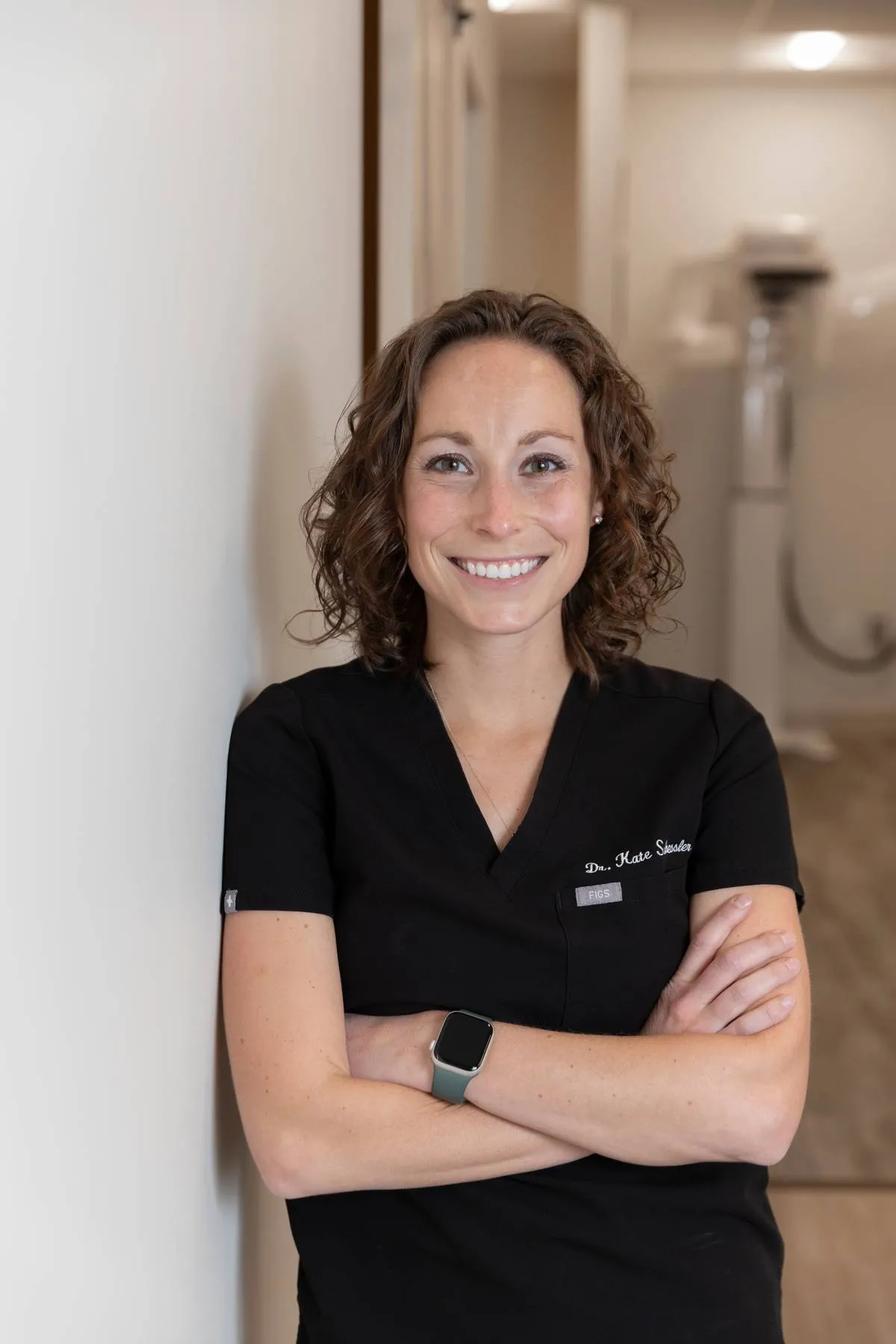
At Lucas Orthodontic Group, we are dedicated to bringing smiles to life for patients of all ages. Our team of experienced orthodontists, including Dr. Jon Lucas, Dr. Kate Schessler, Dr. Amelia Tran, and Dr. Lane Steinhaus, are committed to providing personalized care and treatment options to help you achieve the smile you've always wanted.
With a focus on locally owned and pressure-free service, we strive to create a positive and welcoming atmosphere for our patients. Whether you are a new patient looking to get started on your smile journey or an existing patient in need of ongoing care, we are here to help you every step of the way.
tooth, jaw, malocclusion, orthodontics, dental braces, align technology, retainer, patient, therapy, tooth decay, gums, oral hygiene, american association of orthodontists, periodontal disease, wire, mouth, dental degree, disease, clear aligners, arch, orthodontic headgear, orthognathic surgery, american board of orthodontics, palatal expansion, pain, board certification, invisible aligners, best invisible braces, straighten teeth, surgery, metal, incisor, palate, molar, exam, risk, bracket, injury, overjet, crossbite, permanent teeth, temporomandibular joint, chewing, hygiene, angle, lip, gingivitis, dentition, dental extraction, cleveland clinic, mouth breathing, invisalign cost, invisible braces, braces cost, invisalign price, invisalign braces, braces for teeth, retainers for teeth, braces, retainers, clear braces, adult braces, lingual braces, invisalign retainer, clear retainers, accessibility, appointment request, patients call, middle tennessee, confidence, orthodontist nashville tn, nashville orthodontist, orthodontic, lucas orthodontics, beautiful smiles, metal braces, orthodontic treatment, dental, dr lucas orthodontist, dr lucas ortho, lucas orthodontist, lucas orthodontic group
Frequently Asked Questions
Are dentists obligated to screen for orthodontics?
Dentists are not obligated to screen for orthodontics, but they may refer patients to orthodontists for evaluation and treatment if they notice issues. Orthodontists specialize in correcting misalignments and malocclusions, providing more comprehensive orthodontic care than general dentists.
Are extractions okay for orthodontics?
Extractions are sometimes necessary in orthodontic treatment to create space for proper alignment. Your orthodontist will assess your specific needs to determine if extractions are appropriate for your case. Trust their expertise to ensure the best outcome for your smile.
Are aligners considered orthodontics?
Yes, aligners, such as Invisalign, are a form of orthodontic treatment. They are clear, removable trays that gradually move teeth into alignment, making them a popular choice for those seeking orthodontic care without traditional braces.
Are braces considered orthodontics?
Yes, braces are a common orthodontic treatment used to straighten teeth and correct bite issues. Orthodontics is the branch of dentistry that focuses on aligning teeth and jaws to improve oral health and aesthetics. Braces fall under this category of orthodontic treatments.
Are initial orthodontic consultations covered by insurance?
Initial orthodontic consultations may or may not be covered by insurance, depending on your specific plan. It's essential to check with your insurance provider beforehand to understand what services are included in your coverage. Some insurance plans may cover a portion or all of the consultation fees, while others may require out-of-pocket payment.
Are braces considered an orthodontic appliance?
Yes, braces are a common orthodontic appliance used to straighten teeth and correct bite issues. They consist of brackets, wires, and bands that work together to gradually move teeth into the desired position. Braces are a traditional yet effective treatment option in orthodontics.
Are crowns used to make front teeth look even after orthodontics?
Yes, crowns can be used to make front teeth look even after orthodontic treatment. They are often utilized to improve the shape, size, and appearance of teeth, especially in cases where orthodontics alone may not achieve the desired aesthetic outcome. Crowns can provide a natural-looking solution for creating a harmonious smile.
Are dental splints covered under orthodontics?
Dental splints are not typically covered under orthodontic treatment. Splints are more commonly associated with temporomandibular joint (TMJ) disorders or bruxism (teeth grinding) and may fall under general dental or medical insurance coverage, depending on the specific circumstances. It's essential to check with your insurance provider for coverage details.
Are braces classed as orthodontic services?
Yes, braces are classified as orthodontic services. They are a common treatment provided by orthodontists to align and straighten teeth for patients of all ages, offering various types of braces to suit individual needs and preferences.
Are cavity fillings covered by orthodontal insurance?
Cavity fillings are typically not covered by orthodontic insurance as they are considered general dental procedures. Orthodontic insurance usually focuses on coverage for orthodontic treatments like braces or Invisalign. Patients may need to check their dental insurance policy for specific coverage details regarding cavity fillings.
Are braces considered orthodontic?
Yes, braces are a common orthodontic treatment used to straighten teeth and correct bite issues. They are a key component of orthodontic care, along with other treatments like Invisalign, retainers, and airway management. Braces are effective for patients of all ages, providing a reliable way to achieve a beautiful smile.
Are first or second premolars extracted typically for orthodontics?
First or second premolars are commonly extracted in orthodontics to create space for proper alignment of the remaining teeth. This extraction helps address overcrowding issues and achieve optimal results in orthodontic treatment.
Are dental implants considered orthodontic?
Dental implants are not considered orthodontic treatment. Orthodontics focuses on aligning teeth and jaws using braces or Invisalign, while dental implants are used to replace missing teeth surgically. Both are essential for oral health but serve different purposes in dental care.
Are clear orthodontic elastics stronger than regular rubber bands?
Clear orthodontic elastics are typically the same strength as regular rubber bands. The primary difference is their appearance, with clear elastics being less noticeable on the teeth compared to traditional rubber bands. Both types serve the same function in orthodontic treatment.
Are implants covered under orthodontics with Delta Dental?
Implants are typically not covered under orthodontic treatment with Delta Dental. Orthodontic coverage usually includes braces and Invisalign for teeth alignment, while implants are considered a separate dental procedure for tooth replacement. It's essential to check your specific plan for coverage details.
Are dental implants considered orthodontics?
Dental implants are not considered orthodontics. Orthodontics focuses on straightening teeth and aligning the bite using braces or clear aligners like Invisalign. Dental implants, on the other hand, are surgical components placed in the jawbone to support dental prosthetics like crowns, bridges, or dentures.
Are braces orthodontics?
Yes, braces are a common orthodontic treatment used to straighten teeth and correct bite issues. Orthodontics is the branch of dentistry that focuses on aligning teeth and jaws for optimal oral health and aesthetics. Braces fall under this category of orthodontic treatments.
How do orthodontic retainers maintain alignment?
Orthodontic retainers maintain alignment by holding teeth in their corrected position after braces or Invisalign treatment. They prevent teeth from shifting back to their original placement, ensuring long-term alignment and stability. Retainers are custom-made for each patient to fit comfortably and effectively maintain the new smile.
What age should orthodontic treatment begin?
Orthodontic treatment typically begins between the ages of 9 and 14, during the adolescent growth spurt when the teeth are more responsive to straightening. However, the exact age can vary depending on individual needs and development. Early evaluation by an orthodontist can determine the best time to start treatment.
Can orthodontics correct bite irregularities?
Yes, orthodontics can correct bite irregularities through treatments like braces, Invisalign, and other specialized options. These methods help align the teeth and jaws, improving the overall bite function and alignment for a healthier smile.
Do orthodontic treatments vary by age?
Orthodontic treatments can vary by age, with options like braces tailored for kids, teens, and adults. Invisalign is available for all age groups, providing a discreet alternative. Additional treatments such as airway management and retainers cater to specific age-related needs.
How do orthodontic consultations assess needs?
Orthodontic consultations assess needs by evaluating the patient's dental alignment, discussing treatment options like braces or Invisalign, considering any specific concerns or goals, and creating a personalized treatment plan. X-rays, impressions, and a thorough examination help determine the best course of action for achieving a straighter smile.
What technologies advance modern orthodontics?
Modern orthodontics is advancing with technologies like digital scanners for precise impressions, 3D imaging for treatment planning, and clear aligners like Invisalign for discreet teeth straightening. These advancements improve accuracy, comfort, and aesthetics in orthodontic treatment.
Can orthodontics prevent future dental issues?
Orthodontic treatment can prevent future dental issues by correcting misalignments that can lead to issues like tooth decay, gum disease, and jaw pain. Properly aligned teeth are easier to clean, reducing the risk of oral health problems in the future. Regular orthodontic care can contribute to long-term dental health and overall well-being.
How do orthodontists plan treatment?
Orthodontists plan treatment by conducting a thorough examination, including X-rays and impressions, to assess the patient's teeth and jaw alignment. Based on this evaluation, they develop a personalized treatment plan that may involve braces, Invisalign, or other orthodontic interventions tailored to the patient's needs. Regular follow-up appointments track progress and make necessary adjustments.
What are orthodontic emergency procedures?
In case of orthodontic emergencies like broken brackets or wires, contact our office immediately for guidance. For temporary relief, use orthodontic wax, tweezers to adjust wires, or saltwater rinses for discomfort. Avoid cutting wires yourself and seek professional help promptly.
How does orthodontics improve dental health?
Orthodontics improves dental health by correcting misaligned teeth, which can lead to better oral hygiene, reduced risk of gum disease, and improved overall dental function. Properly aligned teeth are easier to clean, reducing the chances of decay and gum inflammation. Additionally, orthodontic treatment can enhance bite function, speech, and jaw alignment, contributing to long-term dental health.
Can orthodontics impact speech positively?
Orthodontic treatment can positively impact speech by correcting alignment issues that may affect pronunciation. Straightening teeth can improve articulation and clarity, leading to better speech patterns and overall communication skills. Additionally, addressing jaw positioning can enhance airflow, aiding in speech production and fluency.
Are orthodontic treatments tax deductible?
Orthodontic treatments are generally not tax-deductible as they are considered cosmetic procedures. However, if the treatment is medically necessary to correct a specific dental issue, it may be eligible for a tax deduction. It's advisable to consult with a tax professional for personalized advice on deductibility.
How long do orthodontic treatments last?
The duration of orthodontic treatments varies depending on the individual's needs. Typically, treatment can last anywhere from 12 to 36 months, with some cases requiring longer or shorter periods. Factors like the severity of the misalignment, type of treatment, and patient compliance can influence the treatment duration. Regular appointments and following the orthodontist's instructions can help achieve optimal results within the estimated timeframe.
lucas orthodontics, nashville orthodontist, orthodontist nashville, orthodontists, orthodontist nashville tn, orthodontist in tennessee, orthodontics, orthodontist franklin tn, brentwood orthodontics, jon lucas, local orthodontist, orthodontist, lucas orthodontics brentwood, orthodontist near me, braces near me, lucas dentist, lucas orthodontic group, lucas dentistry, dentist in lucas, orthodontist hendersonville, family orthodontist
Our Commitment to Your Smile
At Lucas Orthodontic Group, we are dedicated to bringing smiles to life for patients of all ages. Our team of experienced orthodontists, including Dr. Jon Lucas, Dr. Kate Schessler, Dr. Amelia Tran, and Dr. Lane Steinhaus, are committed to providing personalized care and treatment options to help you achieve the smile you've always wanted.
With a focus on locally owned and pressure-free service, we strive to create a positive and welcoming atmosphere for our patients. Whether you are a new patient looking to get started on your smile journey or an existing patient in need of ongoing care, we are here to help you every step of the way.